
The Games We Play
Still Becoming · No. 02

Four weeks into my new job, I’m still learning the rhythm of it — when to push, when to breathe, how to be fully on without burning out by Friday. Work demands a kind of constant readiness that’s exhilarating and exhausting in equal measure.
So this week, I’ve been thinking about what I reach for when I need to come back to myself. And the answer, as it turns out, has always been the same: a table, some people I love, and a good game.
My mom loved to play cards. Some of my earliest and best memories are sitting across from her, learning the rules, watching her face when she had a good hand. When I had my own daughters, I taught them all the favorite card games I grew up on. I just love that particular kind of closeness that happens when you’re playing something together. Now that my girls are grown, my husband and I find ourselves returning to it. A quiet evening, Rummikub on the table, the news off, the chaotic world outside. It’s one of the simplest ways we know how to connect.
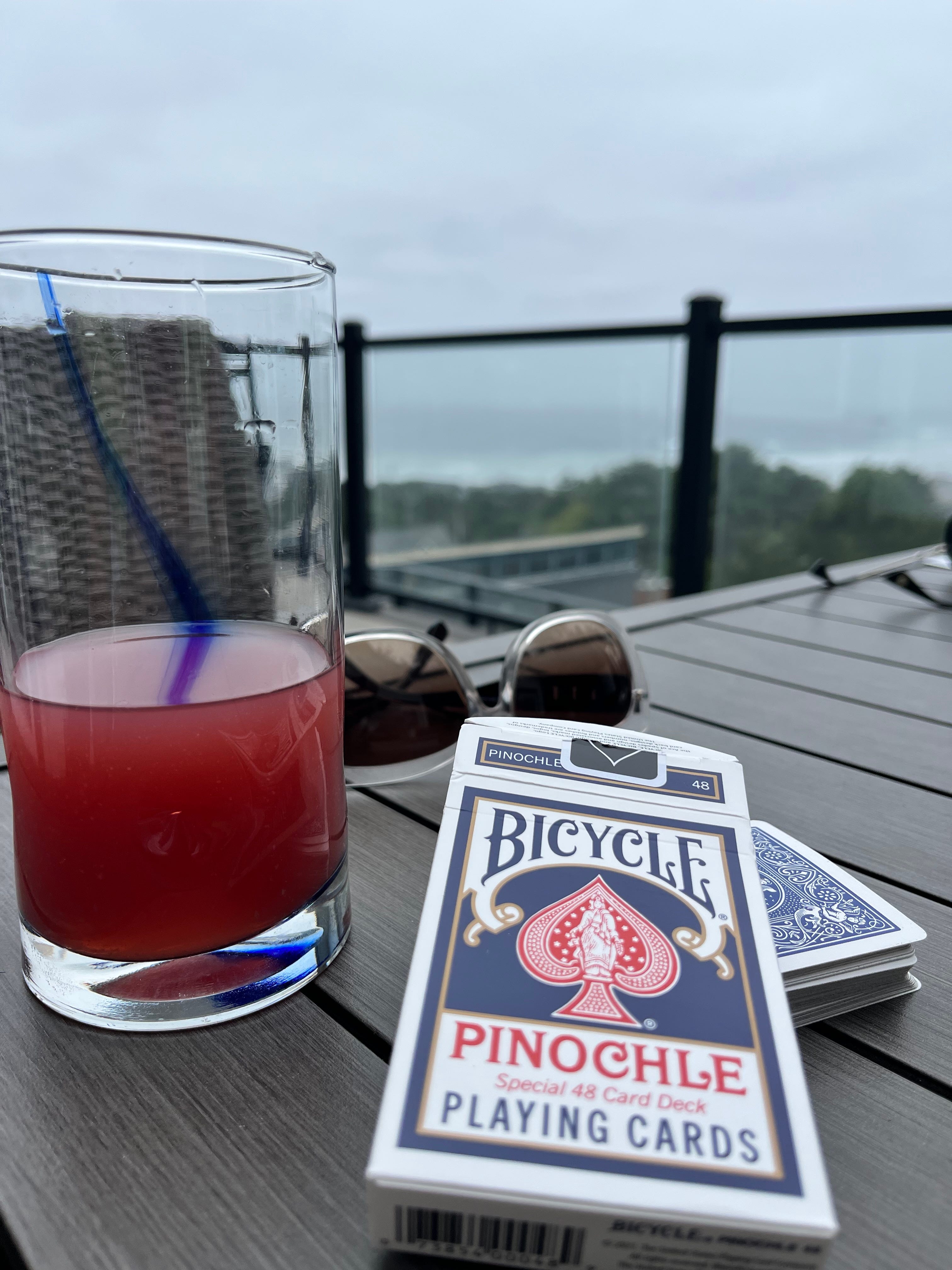
So when friends suggested Pinochle on the Oregon coast last weekend, I didn't hesitate.
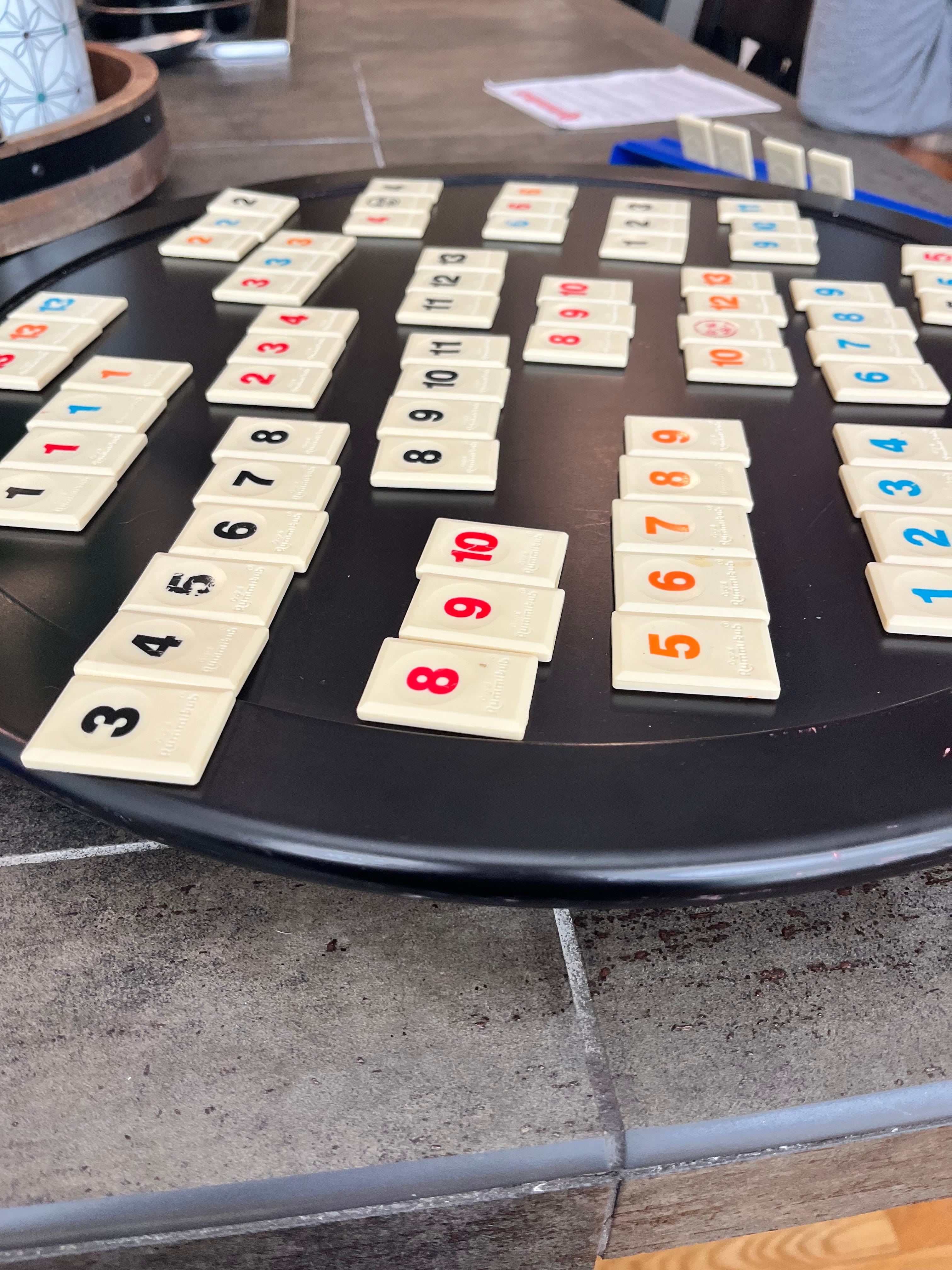
Rummikub is one of those games that looks deceptively simple. You’re laying tiles, building runs and groups of numbers, racing to clear your rack before anyone else. But the moment someone disrupts your perfectly planned set and you have to rethink everything on the fly — that’s where the real fun lives. It’s fast, it’s strategic, and it rewards the kind of focused attention that’s hard to come by these days.
Pinochle, I learned for the first time this weekend, huddled around a table with salt air and good people. It’s a classic trick-taking card game played in partnerships — part strategy, part bidding, part reading your partner without saying a word. You bid on what you think your team can score, name a trump suit, lay down your melds, then play out the tricks. It takes a few rounds to find your footing, but once it clicks, it really clicks.
We played for hours. We made mistakes. We laughed a lot.
What strikes me about both games is that they require you to think — to have a strategy, adapt it, and stay in it even when the cards (or tiles) don’t cooperate. There’s a challenge there that I love. But more than that, they require presence. You can’t half-pay attention and expect to win. You can’t drift.
In a world designed to pull us away from wherever we are, there’s something quietly radical about a game that holds you exactly where you are.
This Week’s Lesson
Play is not a break from real life — it's one of the most present things you can do in it. Find your game. Sit down. Stay there.
Thanks for being here — whoever you are. I’m planning to show up on Sundays with something short, honest, and worth your five minutes. If this resonated, I’d love to have you along for the ride. Please, share it with someone who might need it.
About the author: I’m a marketer and enterprise storyteller at a tech company, host of the 2B Bolder podcast — a show featuring women in business and tech — and a mother, introvert, and lifelong work in progress. I started this newsletter because I wanted to write, and because I believe the most interesting chapter is always the one you’re still in the middle of. Glad you found me.
Still becoming, one Sunday at a time. 🖤
— Mary